
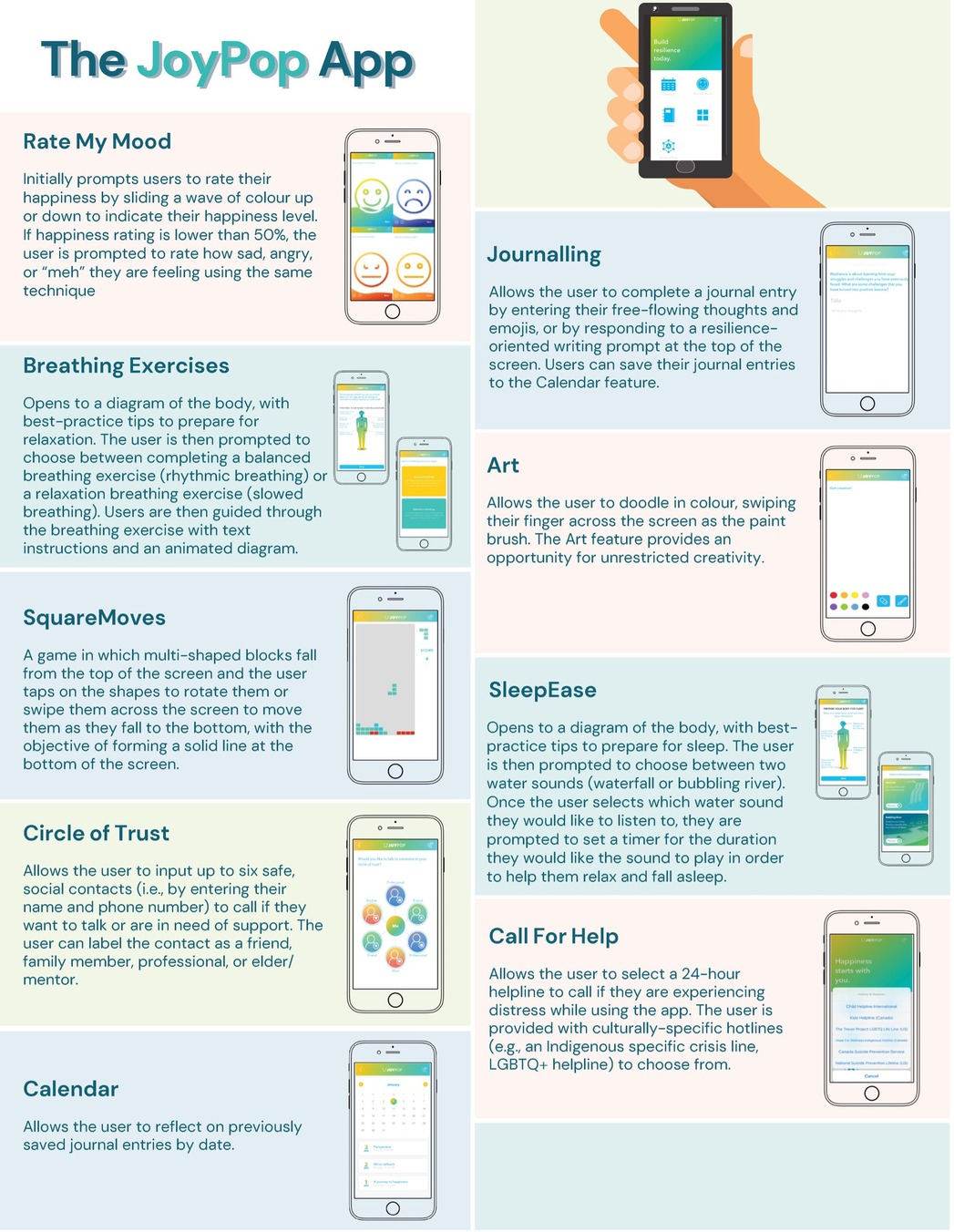
Imagine a world where mental health support is just a tap away, tailored to meet the unique needs of each student. At the heart of this vision is the JoyPopTM app, a digital tool designed to support the mental well-being of postsecondary students. Recent research has delved into how students are embracing this innovative app, shedding light on the factors that drive its acceptance.
Understanding Student Acceptance
The study utilized the UTAUT2 model, a framework that helps understand technology acceptance, to evaluate how students are interacting with JoyPopTM. The findings revealed that 45.4% of students have embraced the app, a significant number that highlights its potential impact on student mental health.
Key Factors Influencing Acceptance
Several key factors were identified as influential in the students' acceptance of JoyPopTM. Performance expectancy, or the belief that using the app will enhance their mental health, played a crucial role. Students are increasingly looking for tools that not only promise but deliver tangible benefits in their daily lives.
Hedonic motivation, the fun and enjoyment derived from using the app, also emerged as a significant factor. In a world where students are often overwhelmed with academic and social pressures, finding joy in the tools they use can make a world of difference.
Facilitating conditions, such as the availability of resources and support to use the app, further contributed to its acceptance. Students need to feel confident that they can easily integrate new technologies into their routines without additional stress.
"The JoyPopTM app is more than just a tool; it's a companion for students navigating the complexities of mental health," said Dr. Emily Hart, lead researcher of the study. "Understanding what drives students to embrace such technology is key to enhancing its impact."
The Path Forward
As we move forward, the insights gained from this study can guide the development of even more effective digital health tools. By focusing on what students truly value—performance, enjoyment, and ease of use—developers can create apps that not only meet but exceed expectations.
In a rapidly evolving digital landscape, the JoyPopTM app stands as a beacon of hope, offering students a personalized path to mental wellness. As more students discover its benefits, the potential for positive change grows, promising a brighter, healthier future for all.
Originally published at https://www.frontiersin.org/journals/digital-health/articles/10.3389/fdgth.2025.1503428/full
ResearchWize Editorial Insight
The article on the JoyPopTM app is a meaningful piece for both students and researchers, particularly in the realm of mental health and technology integration in education. It highlights the growing importance of digital tools in supporting student well-being, a topic that resonates deeply with educators and those involved in student support services.
For teachers, this article underscores the necessity of recognizing and incorporating mental health resources into the educational environment. It reminds us that students are not only navigating academic challenges but also personal and emotional hurdles. The JoyPopTM app serves as a reminder that technology can be a compassionate ally in this journey, providing students with accessible support tailored to their needs. Teachers can take this insight into their classrooms by fostering an environment that encourages the use of such supportive tools, perhaps even integrating discussions about mental health apps into their curriculum to normalize and destigmatize their use.
From a research perspective, the study offers valuable insights into the factors that influence technology acceptance among students. Researchers can build on these findings to explore further how digital tools can be optimized for student engagement and effectiveness. The emphasis on performance expectancy, hedonic motivation, and facilitating conditions provides a framework for future studies aiming to enhance the design and implementation of mental health technologies.
Inclusion is a key theme here, as the app's success hinges on its ability to meet diverse student needs. The article invites educators and developers alike to consider how digital tools can be inclusive and accessible to all students, regardless of their background or technological proficiency. By understanding and addressing the barriers to technology acceptance, we can work towards creating a supportive educational ecosystem where every student feels empowered to seek help and improve their mental health.
In essence, the JoyPopTM app is more than just a technological innovation; it's a step towards a more inclusive and supportive educational experience, where mental health is prioritized and accessible to all.
Looking Ahead
In the future, AI education will be like a well-tended garden, where each student is a unique plant, thriving with the right balance of sunlight, water, and care. The role of AI in this garden will be to act as a gentle guide, helping each learner find their optimal path. By fostering an environment that values collaboration, inclusion, and emotional growth, AI can help students flourish together.
Collaboration will be at the heart of this new educational landscape. AI tools can facilitate group projects that encourage students to learn from one another, breaking down complex problems into manageable parts. These collaborative experiences will not only enhance learning but also build a sense of community, where each member's contribution is valued.
Inclusion will be a cornerstone of AI's role in education. By tailoring learning experiences to individual needs and abilities, AI can help ensure that every student feels seen and supported. This personalized approach will make education more accessible, bridging gaps and opening doors for those who might otherwise be left behind.
The emotional side of schooling will also receive the attention it deserves. AI can help educators identify students who might need extra emotional support, providing tools that encourage mindfulness and resilience. By integrating emotional learning into the curriculum, we can nurture students who are not only knowledgeable but also emotionally intelligent.
As we look ahead, the evolution of AI in education promises a future where learning is a shared journey. By embracing the unique strengths and needs of each student, we can create an educational system that is as vibrant and diverse as the world outside the classroom. This vision of AI education is both actionable and hopeful, ensuring that every student has the opportunity to grow and succeed.
Related Articles
- Fordham Offers Certificate Focused on AI Ethics
- Education Companies That Upped Their AI Game In 2025
- Tech Trends 2026
📌 Take the Next Step with ResearchWize
Want to supercharge your studying with AI? Install the ResearchWize browser extension today and unlock powerful tools for summaries, citations, and research organization.
Not sure yet? Learn more about how ResearchWize helps students succeed.