
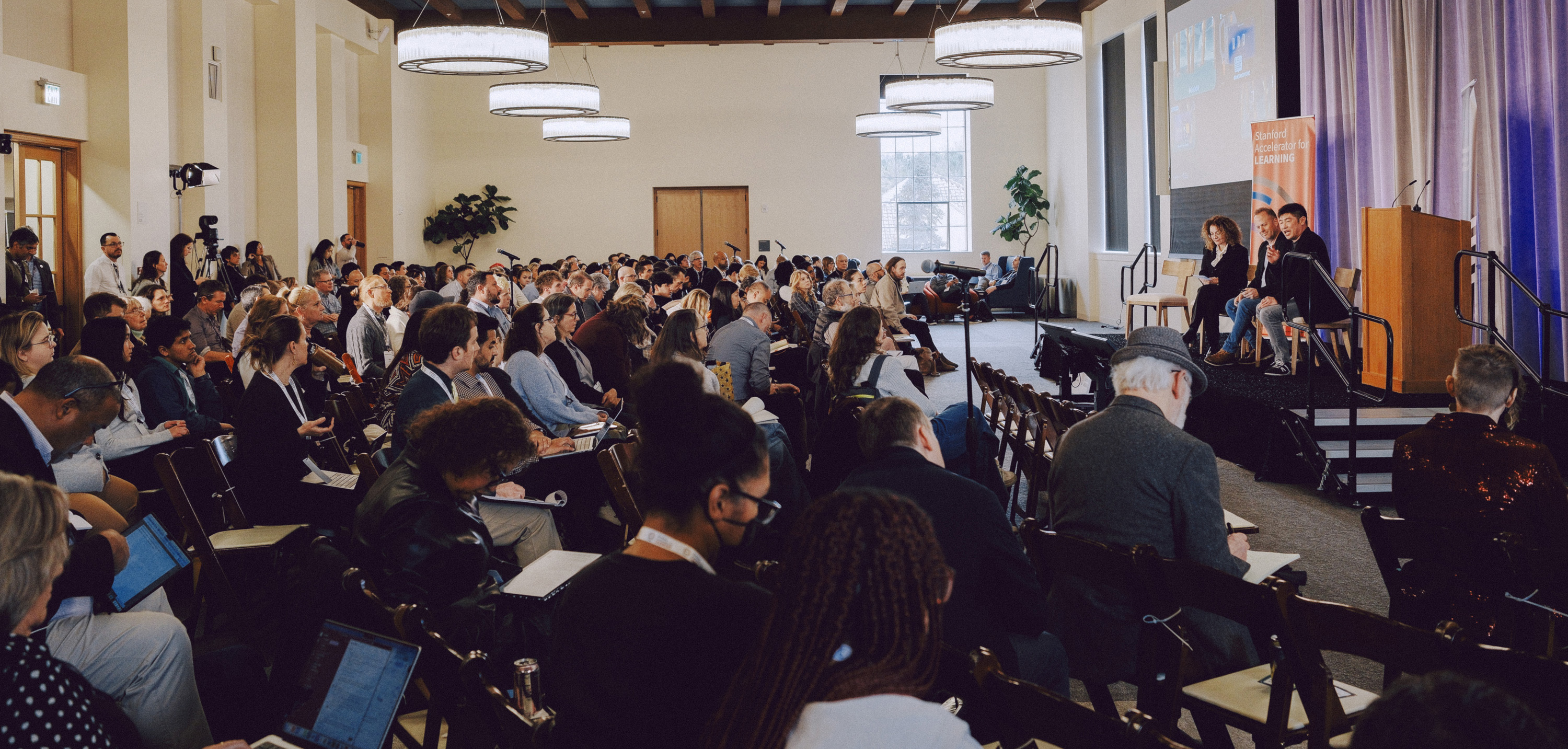
The recent AI+Education Summit, orchestrated by the Stanford Institute for Human-Centered AI and the Stanford Accelerator for Learning, underscored the urgent need to reevaluate conventional educational paradigms in the face of rapid technological advancements. As artificial intelligence increasingly permeates educational environments, key stakeholders are called to address the multifaceted implications of this integration.
Rethinking Student Assessment
A critical theme emerging from the summit was the necessity to rethink student assessment frameworks. Traditional metrics of evaluation may no longer suffice in an era where AI can assist or even perform tasks traditionally assigned to students. This shifts the focus towards assessing skills that AI cannot replicate, such as critical thinking and emotional intelligence.
Promoting AI Literacy
The summit also highlighted the imperative of fostering AI literacy among students and educators alike. As AI tools become ubiquitous, understanding their functionalities, limitations, and ethical considerations becomes essential. This literacy is not just about technical proficiency but also about comprehending AI's broader societal impacts.
Ensuring Equitable AI Use
Equity in AI deployment was another focal point of discussion. Experts stressed the importance of developing AI applications with substantial input from marginalized communities to prevent exacerbating existing disparities. "AI must be designed to serve all, not just the privileged few," noted a summit participant, emphasizing the ethical responsibility of inclusive technology development.
Maintaining Human Connection
While AI offers unprecedented opportunities for enhancing educational processes, it also poses the risk of diminishing human interaction. The summit participants cautioned against allowing AI to replace the nuanced, empathetic connections that are integral to effective teaching and learning. They advocated for a balanced approach where AI complements rather than supplants human educators.
Impact on Learning and Creativity
The influence of AI on learning processes and creativity was another area of concern. While AI can streamline information access and automate routine tasks, there is a risk that over-reliance might stifle creativity and independent thought. Educators are urged to cultivate environments where AI serves as a tool to augment, not inhibit, creative exploration.
Originally published at https://hai.stanford.edu/news/ai-challenges-core-assumptions-in-education
ResearchWize Editorial Insight
Op-Ed: AI's Disruption of Education: A Call to Action
The AI+Education Summit at Stanford has thrown down the gauntlet to educators everywhere. It's time to rethink how we teach and assess in a world where artificial intelligence is no longer a futuristic concept but a present reality. The integration of AI into education isn't just a tech upgrade; it's a seismic shift challenging the very foundations of traditional learning.
First, consider student assessments. The old ways of testing are becoming obsolete as AI can perform many tasks students are evaluated on. This demands a pivot towards skills AI can't replicate—critical thinking, emotional intelligence, and creativity. Are our educational systems agile enough to make this shift?
AI literacy is non-negotiable. As AI tools proliferate, understanding their impact is crucial for students and educators. This isn't just about knowing how to use AI but grasping its ethical and societal implications. Are we preparing students to navigate a world where AI is omnipresent?
Equity in AI use is another pressing issue. Without inclusive development, AI risks widening existing disparities. Technology must be democratized, serving all communities, not just the affluent. Are policymakers and developers listening to marginalized voices?
Human connection in education is irreplaceable. AI can enhance learning but should never replace the empathy and nuance of human educators. How do we strike a balance that leverages AI's strengths without losing the human touch?
Lastly, the impact on creativity and learning is a double-edged sword. While AI can streamline processes, there's a danger of stifling independent thought. Educators must foster environments where AI is a tool for enhancing, not hindering, creative exploration.
For students and researchers, this analysis is a clarion call. The future of education hinges on how we integrate AI today. The stakes are high. Are we ready to embrace this challenge and reshape education for the better?
Looking Ahead
Artificial Intelligence is not just a tool — it's a catalyst for seismic shifts in education. As we stand on the brink of this transformation, the question isn't whether AI will change education, but how, and more importantly, how we will adapt. Here’s how AI education could, and should, evolve in the coming years:
1. From Coding to Critical Thinking
The focus of AI education must expand beyond coding and technical skills to include critical thinking, ethics, and problem-solving. As AI takes over repetitive tasks, the ability to think critically and ethically will define the workforce of the future. Are our curricula ready to pivot towards these skills? If not, we're already behind.
2. Adaptive Learning Environments
Imagine classrooms where AI systems tailor learning experiences to each student's unique needs, pace, and style. This is not science fiction — it's within reach. But the real question is, can educational institutions and policymakers embrace this change without sacrificing privacy and autonomy? Will they act fast enough to implement these personalized learning systems before tech companies monopolize the field?
3. AI Literacy as a Core Competency
AI literacy must become as fundamental as reading and math. This is not just about understanding algorithms but grasping AI's societal impacts and ethical dimensions. Are educators equipped to teach this? Training teachers to become AI-literate themselves is a crucial first step. If they lag behind, the entire system will falter.
4. Equity-First AI Development
AI tools must be developed with inclusivity at their core, ensuring they serve diverse communities equitably. This requires active collaboration with marginalized groups in the design process. But will tech giants prioritize profit over people? Regulators must stay vigilant to ensure AI does not deepen existing inequalities.
5. Human-AI Synergy
AI should enhance, not replace, human educators. The human connection in teaching is irreplaceable. Policymakers and educators must find a balance, ensuring that AI supports teachers in their roles rather than rendering them obsolete. Are we ready to redefine the teacher's role in the AI-enhanced classroom?
6. Creativity in the AI Era
AI can streamline learning but must not stifle creativity. Classrooms should become innovation labs where AI is a partner in exploration, not a crutch. Are schools prepared to foster environments that encourage creative risks? Without this shift, we risk producing a generation of students who can execute but not innovate.
As we chart the course for AI in education, the stakes could not be higher. Change is inevitable, but the direction it takes depends on the decisions we make today. The future of education is AI-driven, but are we driving or being driven? The time to act is now.
Originally reported by https://hai.stanford.edu/news/ai-challenges-core-assumptions-in-education.
Related Articles
- How AI Is Changing Foreign Language College Classes
- DeVry University to Embed AI Literacy and Skill-Building Across All Courses in 2026
- AI in education: ensuring ethical and human-centered integration
📌 Take the Next Step with ResearchWize
Want to supercharge your studying with AI? Install the ResearchWize browser extension today and unlock powerful tools for summaries, citations, and research organization.
Not sure yet? Learn more about how ResearchWize helps students succeed.