
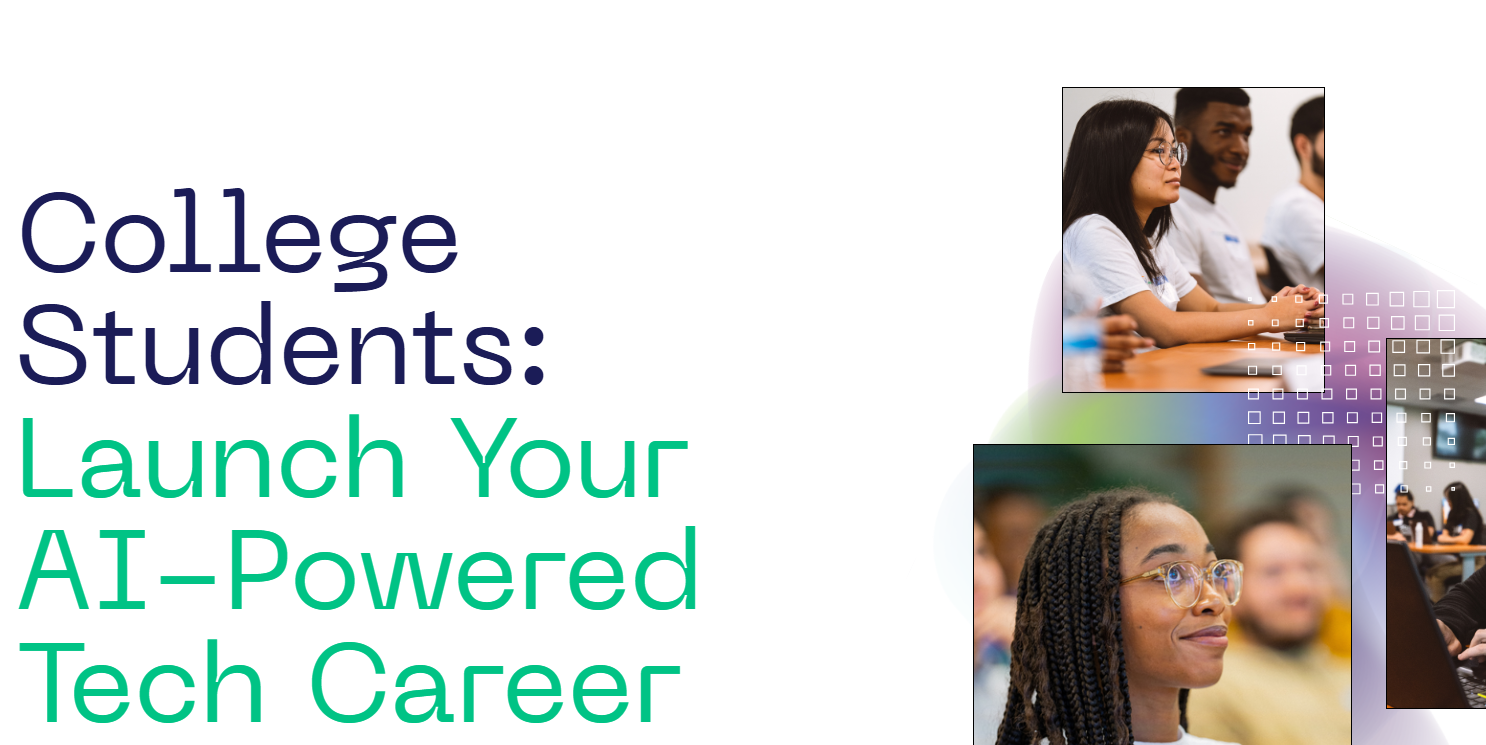
In a significant move to democratize AI education, Anthropic has announced a partnership with CodePath to integrate its Claude AI model and Claude Code assistant into the curricula for over 20,000 computer science students. This initiative spans various educational institutions, including community colleges and Historically Black Colleges and Universities (HBCUs), aiming to provide equitable access to cutting-edge AI tools.
Bridging the Gap in AI Education
The collaboration between Anthropic and CodePath is poised to address the disparity in AI education, particularly for students from lower-income families. By embedding advanced AI technologies in educational programs, the partnership seeks to level the playing field, offering students practical experience that is often inaccessible in under-resourced institutions.
"This partnership is a vital step towards fostering an inclusive AI economy," stated a spokesperson from Anthropic. "By equipping students with hands-on experience using AI tools like Claude, we are not only enhancing their educational journey but also improving their career prospects in a rapidly evolving tech landscape."
Ethical Considerations and Societal Impacts
While the initiative promises substantial benefits, it also raises critical ethical questions and societal implications. The integration of AI tools in educational settings necessitates stringent oversight to ensure that academic integrity is maintained. As students increasingly rely on AI for learning and development, educational institutions must establish clear guidelines to prevent misuse and uphold ethical standards.
Moreover, the broader societal impact of such partnerships must be scrutinized. By making AI education more accessible, there is potential to diversify the tech industry, which has historically been dominated by a homogenous demographic. However, the success of this initiative hinges on continuous support and adaptation to the evolving demands of the AI sector.
Future Prospects
The collaboration between Anthropic and CodePath could serve as a model for future partnerships aimed at integrating AI education into diverse educational contexts. As the demand for AI skills continues to grow, initiatives like this are crucial in preparing the next generation of tech professionals. However, the implementation of such programs must be carefully monitored to ensure they meet educational objectives without compromising ethical standards.
Originally published at https://www.startuphub.ai/ai-news/startup-news/2026/anthropic-codepath-link-up-for-ai-cs-education
ResearchWize Editorial Insight
This article is pivotal for students and researchers because it highlights a strategic initiative to democratize AI education, particularly benefiting underrepresented groups. By integrating Anthropic's AI tools into CodePath's curriculum, the partnership aims to provide equitable access to advanced technology, potentially reducing educational disparities.
For students, this means hands-on experience with cutting-edge AI, which can enhance career prospects in a tech-driven economy. It also raises questions about how AI education can be made more inclusive and its role in diversifying the tech industry.
Researchers should note the ethical concerns and societal impacts of embedding AI in education. How can institutions ensure the responsible use of AI tools while maintaining academic integrity? What are the long-term effects on the tech workforce's diversity and skill set?
The initiative could set a precedent for future educational models, but its success depends on continuous oversight and adaptation to the evolving AI landscape. How will this partnership influence global AI education standards, and what systemic changes are needed to support such initiatives?
Looking Ahead
1. From Theory to Practice
2. Ethics at the Core AI's potential is vast, but so are its ethical minefields. Education must prioritize ethics as a core component, not an afterthought. How do we ensure students understand the implications of AI on privacy, bias, and employment? Institutions need to embed ethical AI labs into their programs, fostering critical debate and solution-oriented thinking.
3. Adaptive Learning Systems AI itself should drive educational evolution. Adaptive learning systems can tailor educational experiences to individual student needs, maximizing learning efficiency and engagement. However, what safeguards will be in place to prevent data misuse? Regulators need to step up, ensuring these systems are transparent and accountable.
4. Interdisciplinary Approach AI doesn't exist in a vacuum. Future curricula must integrate AI with fields like healthcare, law, and environmental science. This interdisciplinary approach will prepare students for a world where AI intersects with every industry. Are our faculties equipped to deliver such cross-disciplinary education? Collaboration with industry experts might be the key.
5. Continuous Curriculum Evolution The pace of AI development is relentless. Educational institutions must adopt a mindset of continuous evolution, updating curricula in real-time to keep pace with technological advancements. What happens if regulators and educators fall behind? The risk is producing graduates ill-prepared for the market, perpetuating a skills gap.
6. Equitable Access and Inclusion While initiatives like Anthropic and CodePath are a step forward, the broader challenge is ensuring equitable access to AI education across all demographics. How do we prevent the digital divide from widening? Policymakers and educators must collaborate to ensure resources and opportunities reach underserved communities.
7. Global Collaboration AI is a global phenomenon, and education should reflect that. International collaborations could enrich AI curricula with diverse perspectives and solutions. Are institutions ready to foster such global networks? The creation of international AI education consortia could be a game-changer.
Originally reported by https://www.startuphub.ai/ai-news/startup-news/2026/anthropic-codepath-link-up-for-ai-cs-education.
Related Articles
- AI is changing how students search: What it means for marketing and recruitment
- Lego's latest educational kit seeks to teach AI as part of computer science, not to build a chatbot
- University of Nebraska launches AI Institute to lead research, education
📌 Take the Next Step with ResearchWize
Want to supercharge your studying with AI? Install the ResearchWize browser extension today and unlock powerful tools for summaries, citations, and research organization.
Not sure yet? Learn more about how ResearchWize helps students succeed.