
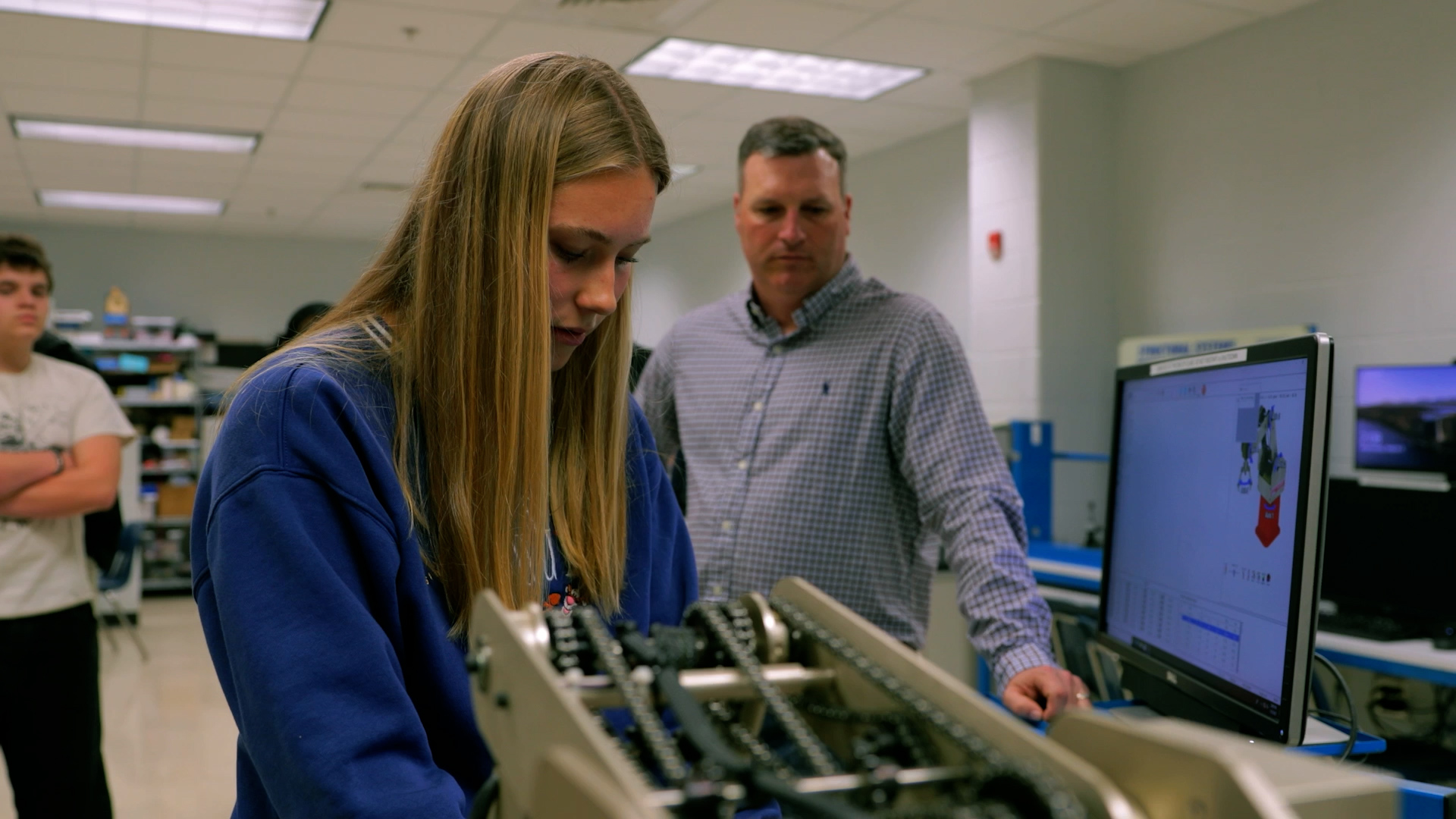
Imagine a classroom where technology seamlessly integrates into the learning experience, offering personalized support and guidance to every student. This vision is becoming a reality as Microsoft unveils its latest innovation, Copilot Chat, designed specifically for students aged 13 and older. Alongside this, new AI features for educators are being introduced in Microsoft 365 Copilot and Copilot+ PCs, marking a significant step forward in the educational landscape.
AI: A Growing Presence in Education
The 2025 AI in Education Report sheds light on the burgeoning role of artificial intelligence in classrooms across the globe. The report highlights a remarkable increase in AI usage among educators, a testament to the transformative potential of these technologies. However, it also reveals a critical gap: many educators still feel unprepared to harness AI's full potential effectively.
"While AI is becoming an integral part of education, there's an urgent need for comprehensive training and resources to empower educators," said a Microsoft spokesperson.
Bridging the Confidence Gap
To address this confidence gap, Microsoft is committed to providing educators with the tools and training necessary to thrive in an AI-powered future. The introduction of Copilot Chat and enhanced AI features in Microsoft 365 Copilot are designed to support educators in creating dynamic, personalized learning environments. These tools aim to simplify complex tasks, offer real-time feedback, and foster a more engaging learning experience for students.
A Collaborative Future
As we look to the future, the integration of AI in education promises to revolutionize the way we teach and learn. By equipping educators with innovative tools and resources, Microsoft is paving the way for a collaborative, student-centered approach to education. This initiative not only enhances the learning experience but also prepares students and educators alike for the challenges and opportunities of tomorrow.
Originally published at https://www.microsoft.com/en-us/education/blog/2025/06/empowering-educators-with-ai-innovation-and-insights/
ResearchWize Editorial Insight
Dear Education Policymakers,
The article "Empowering Educators with AI: A New Era of Learning" offers a compelling glimpse into the transformative potential of AI in our classrooms. As we navigate this rapidly evolving educational landscape, it's crucial to understand why these developments matter deeply for both students and researchers.
Empowering Teachers and Students:
At its heart, the article underscores a vision where technology is not just an add-on but a seamless part of the learning ecosystem. For teachers, AI tools like Microsoft’s Copilot Chat promise to alleviate some of the burdens of administrative tasks, allowing more time to focus on what truly matters: engaging with students. Imagine a classroom where teachers can tailor lessons to individual needs, providing real-time feedback that helps each student thrive. This kind of personalization is a game-changer, especially in diverse classrooms where students come with varied backgrounds and learning styles.
Addressing the Confidence Gap:
However, the article also highlights a significant challenge: the confidence gap among educators when it comes to using AI effectively. This is where policymakers can make a profound impact. By prioritizing comprehensive training and resources, we can ensure that teachers feel equipped and empowered to integrate these tools into their teaching practices. It's not just about having access to technology; it's about knowing how to use it to foster inclusive and dynamic learning environments.
Fostering Inclusion and Collaboration:
AI has the potential to foster a more inclusive classroom by providing tools that support differentiated learning. For students with diverse needs, AI can offer tailored support that might not be feasible in a traditional setting. Moreover, the collaborative nature of these technologies encourages a student-centered approach, where learners are active participants in their education journey. This shift not only prepares students for the future workforce but also nurtures critical thinking and problem-solving skills.
Implications for Research:
For researchers, the integration of AI in education opens new avenues for study. It invites exploration into how these tools impact learning outcomes, teacher efficacy, and student engagement. Researchers can delve into questions about equity, access, and the ethical implications of AI in education, providing valuable insights that can inform policy and practice.
In conclusion, as we stand on the brink of this new era, it's essential to support initiatives that equip educators with the tools and confidence they need to harness AI's potential. By doing so, we can create a more equitable, engaging, and effective educational experience for all students. Let us work together to ensure that our policies reflect this commitment to innovation and inclusion.
Warm regards,
Lena Rivers Instructional Designer and Advocate for Inclusive Education
Looking Ahead: Nurturing AI Literacy in Education
In the evolving garden of education, each student and educator is a unique seed, and AI is the nurturing soil that can help them grow in ways we are just beginning to understand. As we look ahead, it is essential to cultivate an environment where AI literacy becomes as fundamental as reading and math. This means developing curricula that not only teach students how to use AI tools but also encourage them to question and understand the technology that increasingly shapes their world.
Imagine classrooms where students work together on projects that solve real-world problems, with AI as their assistant rather than their master. By fostering a collaborative spirit, students can learn from each other’s strengths and perspectives, supported by AI that adapts to their individual learning styles. This approach not only builds technical skills but also nurtures empathy, critical thinking, and creativity.
Inclusion must be at the heart of this journey. AI tools should be designed to accommodate diverse learning needs, ensuring that every student, regardless of their background or ability, can participate fully in the learning process. This requires ongoing dialogue with educators and students to understand their needs and refine AI tools accordingly.
Equally important is the emotional side of education. AI can help educators identify students who may be struggling emotionally, offering insights that allow for timely and compassionate support. By integrating AI in ways that respect and enhance human connection, we can create learning environments where students feel seen, understood, and valued.
To make this vision a reality, we must invest in comprehensive training for educators, equipping them with the knowledge and confidence to integrate AI meaningfully into their teaching. This includes creating spaces for educators to share experiences and best practices, fostering a community of learning that mirrors the collaborative spirit we wish to instill in students.
As policymakers, your role is crucial in guiding this transformation. By supporting initiatives that prioritize AI literacy, inclusion, and emotional well-being, you can help shape an educational landscape where every student has the opportunity to flourish. Together, we can cultivate a future where education is not just about acquiring knowledge, but about growing as empathetic, innovative, and resilient individuals ready to face the challenges and opportunities of tomorrow.
Originally reported by https://www.microsoft.com/en-us/education/blog/2025/06/empowering-educators-with-ai-innovation-and-insights/.
Related Articles
- Argonne expands nation’s AI infrastructure with powerful new supercomputers and public-private partnerships
- How AI Is Changing College Majors In 2026 – Computer Science, Data Science, Information Science, Statistics
- Top AI Writing Tools for Students: Boost Your College Writing Instantly
📌 Take the Next Step with ResearchWize
Want to supercharge your studying with AI? Install the ResearchWize browser extension today and unlock powerful tools for summaries, citations, and research organization.
Not sure yet? Learn more about how ResearchWize helps students succeed.