
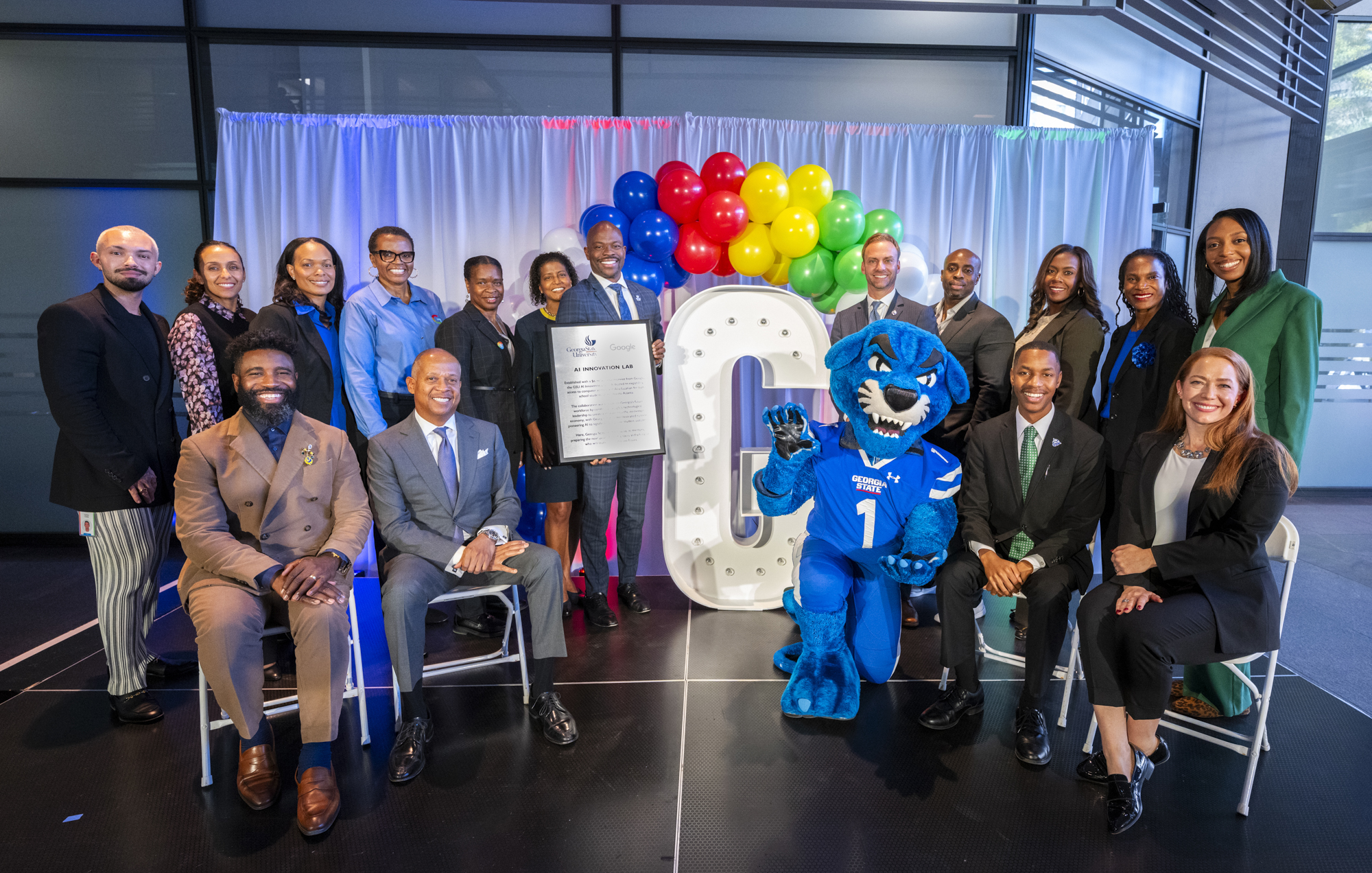
Georgia State University, in collaboration with tech giant Google, is embarking on a groundbreaking initiative to broaden access to computer science and artificial intelligence (AI) education. With a substantial investment of $6 million, the partnership aims to establish the AI Innovation Lab, a venture poised to significantly impact the local educational landscape and, by extension, the state's economic future.
Empowering the Local Community
The AI Innovation Lab is designed to serve not only the students of Georgia State University but also high school students across metro Atlanta. This strategic focus on younger students underscores a commitment to fostering early interest in technology disciplines, a move that could prove pivotal in shaping the next generation of tech-savvy professionals.
By integrating high school students into this initiative, the program seeks to demystify AI and computer science, making these fields more accessible and appealing. This effort is particularly crucial in a region where access to cutting-edge educational resources may be unevenly distributed.
Enhancing Georgia's Tech Workforce
For Georgia State students, the partnership offers invaluable teaching experience, equipping them with the skills necessary to thrive in educational and technological roles. This dual benefit of learning and teaching is designed to create a ripple effect, enhancing the overall quality of education and professional readiness within the state.
"Our collaboration with Google is not just about expanding access to education; it's about building a robust pipeline of future innovators who will drive Georgia's tech industry forward," said a Georgia State University spokesperson.
The broader implications of this initiative are significant. By nurturing a homegrown workforce skilled in AI and computer science, Georgia is positioning itself as a competitive player in the tech industry. This could lead to enhanced economic opportunities, attracting businesses and investments eager to tap into a well-prepared talent pool.
Addressing Ethical and Societal Concerns
While the initiative is commendable, it also raises important questions about the ethical use of AI and the responsibilities of educational institutions in preparing students for the complexities of the digital age. As AI becomes increasingly integrated into various sectors, ensuring that students are equipped with a strong ethical foundation is imperative.
Furthermore, the collaboration highlights the need for clear regulatory frameworks to guide the integration of AI in educational settings. Without such guidelines, institutions may inadvertently expose themselves to legal and ethical challenges, particularly concerning data privacy and academic integrity.
Originally published at https://saportareport.com/georgia-state-university-collaborates-with-google-to-expand-access-to-ai-computer-science-education/thought-leadership/higher-education/manderson/
ResearchWize Editorial Insight
The partnership between Georgia State University and Google is a significant development for students and researchers, particularly in the fields of computer science and AI. This initiative matters because it aims to democratize access to AI education, targeting not just university students but also high schoolers in metro Atlanta. By doing so, it seeks to address educational disparities and foster early interest in tech disciplines.
For students, this means more opportunities to engage with cutting-edge technology and gain practical experience. For researchers, the AI Innovation Lab could become a hub for exploring new AI applications and ethical considerations. The partnership's emphasis on building a skilled local workforce could reshape Georgia's economic landscape, making it a tech industry hotspot.
However, the initiative also prompts critical questions. How will ethical considerations be integrated into the curriculum? Are there adequate regulatory frameworks to manage the integration of AI in education, especially concerning data privacy and academic integrity? These are pressing issues that need addressing to ensure the initiative's long-term success and sustainability.
Looking Ahead
1. Beyond Basics: Specialized Tracks and Real-World Applications
AI education can't remain a monolith. It must evolve into specialized tracks that reflect the diverse applications of AI across industries. From healthcare to finance, students should have the opportunity to dive deep into sector-specific AI applications. This means curricula must integrate real-world challenges, encouraging students to develop solutions that are immediately applicable.
2. Ethics at the Core: Building Responsible Innovators
As AI permeates every aspect of our lives, the ethical implications are too significant to sideline. Institutions must embed ethical training into every AI course. This isn't just about understanding bias or data privacy but about instilling a mindset that prioritizes societal well-being over algorithmic efficiency. How will we ensure that the next generation of AI professionals are not just technically proficient but also ethically conscious?
3. Dynamic Curriculum: Keeping Pace with Technology
Technology evolves at a breakneck speed. Can our educational institutions keep up? Curricula must be dynamic, updated in real-time to reflect the latest advancements and trends in AI. This requires a fundamental shift in how educational content is developed and delivered. Will universities be agile enough to adapt, or will they fall behind, leaving students with outdated knowledge?
4. Regulatory Challenges: A Framework for Innovation
As AI education expands, so must the regulatory frameworks that govern it. Without clear guidelines, institutions might inadvertently cross ethical lines, particularly concerning data privacy and surveillance. What happens if regulators fall behind? We need proactive policies that safeguard students and institutions while fostering innovation. The question remains: who leads this charge, and how soon can they act?
5. Inclusive Access: Bridging the Digital Divide
The democratization of AI education is crucial. Initiatives like the AI Innovation Lab must ensure that access isn't limited by geography or socioeconomic status. This requires a concerted effort to provide resources and support to underserved communities. Are we prepared to invest in infrastructure and outreach to truly level the playing field?
6. Global Collaboration: Learning Without Borders
AI is a global phenomenon, and education should reflect this interconnected reality. International collaborations can enrich learning experiences, offering students a broader perspective on global challenges and solutions. How can institutions leverage partnerships beyond borders to enhance their educational offerings?
In conclusion, the path forward for AI education is fraught with challenges but also brimming with potential. Institutions must act decisively and innovatively to ensure that they are not only preparing students for the jobs of tomorrow but also equipping them to be ethical and responsible stewards of powerful technologies. The time to act is now.
Originally reported by https://saportareport.com/georgia-state-university-collaborates-with-google-to-expand-access-to-ai-computer-science-education/thought-leadership/higher-education/manderson/.
Related Articles
- Podcast: Teaching Alongside Generative AI for Student Success
- Study: ChatGPT Fabricates References More Than Half the Time
- We’re Entering a New Phase of AI in Schools. How Are States Responding?
📌 Take the Next Step with ResearchWize
Want to supercharge your studying with AI? Install the ResearchWize browser extension today and unlock powerful tools for summaries, citations, and research organization.
Not sure yet? Learn more about how ResearchWize helps students succeed.