
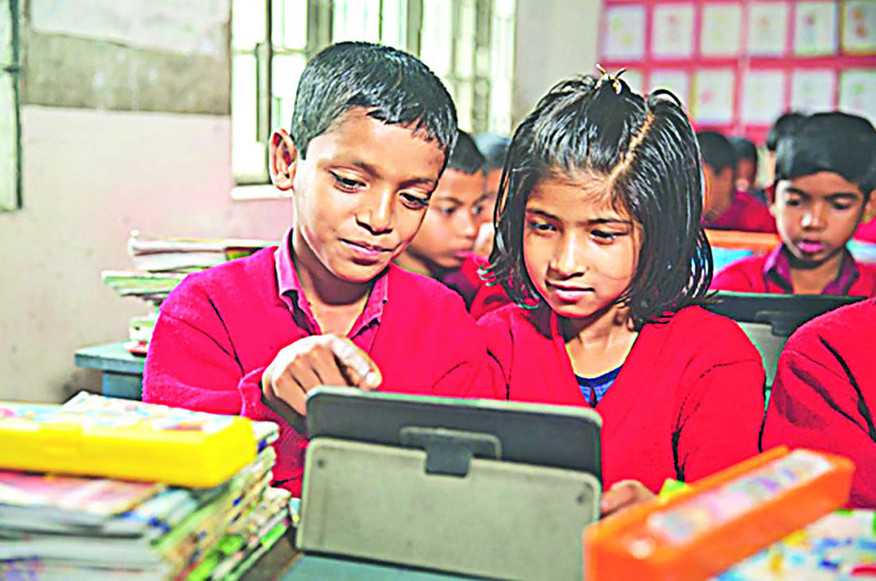
Imagine a classroom where each student's learning experience is as unique as their own dreams and aspirations. In Bangladesh, the dawn of Artificial Intelligence (AI) in education is painting a picture of such a future, where personalized learning is not just a possibility but a reality. This technological advancement holds the promise of transforming the educational landscape by tailoring learning experiences to individual needs, thereby fostering a more inclusive and forward-thinking environment.
Personalized Learning for Every Student
AI-powered adaptive learning platforms and intelligent tutoring systems are at the forefront of this educational revolution. These tools can analyze a student's learning style, strengths, and areas for improvement, providing customized feedback and resources to enhance their educational journey. Such personalization ensures that no student is left behind, as each learner receives the support they need to thrive.
Boosting Inclusivity and Preparing for the Future
Beyond personalization, AI has the potential to make education more inclusive. By breaking down barriers to learning, AI can help students with diverse needs access the curriculum in ways that suit them best. This inclusivity is crucial in preparing students for a future where digital literacy and adaptability are key.
"AI in education is not just about technology; it's about creating opportunities for every student to succeed, regardless of their background or abilities," said an education expert from Bangladesh.
Challenges on the Path to Integration
While the benefits of AI in education are promising, there are challenges that must be addressed to ensure its effective integration. Data privacy concerns, infrastructure limitations, and the need for comprehensive teacher training are significant hurdles. Protecting student data is paramount, and robust measures must be in place to safeguard sensitive information.
Moreover, the successful implementation of AI technologies requires a solid infrastructure. Ensuring that schools have the necessary resources and connectivity is essential for the seamless adoption of AI tools. Equally important is equipping teachers with the skills and knowledge to effectively utilize AI in their teaching practices.
As Bangladesh embarks on this journey towards an AI-enhanced education system, collaboration among educators, policymakers, and technology experts will be crucial. Together, they can navigate the challenges and harness the potential of AI to create a brighter future for students across the nation.
Originally published at https://asianews.network/how-ai-might-transform-bangladeshs-education-landscape/
ResearchWize Editorial Insight
Reflecting on the article "AI: A New Horizon for Education in Bangladesh," it brings to light some transformative possibilities for classrooms, especially in terms of personalization and inclusivity. As teachers, we often dream of reaching every student in a way that resonates with their unique learning style. AI technology could be the bridge to making this dream a reality, allowing us to tailor educational experiences to individual needs. This is not just about technology; it's about opening doors for students who might otherwise feel left out or misunderstood in traditional educational settings.
For teachers, the promise of AI means having tools that can help identify where a student is struggling and offer resources or strategies that are specifically designed to address those gaps. Imagine the relief of knowing that no student is slipping through the cracks because the system adapts to them, rather than forcing them to adapt to the system. This could be a game-changer in creating more equitable learning environments.
In terms of inclusion, AI can help dismantle barriers that have long existed for students with diverse needs. Whether it's through adaptive learning platforms or intelligent tutoring systems, the potential for AI to provide access to education in ways that suit each learner is profound. This is particularly important in preparing students for a future where digital literacy is not just beneficial, but essential.
However, the journey to integrating AI in education is not without its challenges. As educators, we must be mindful of data privacy and ensure that the systems we use protect our students' information. Additionally, the infrastructure to support AI must be robust, and teachers need to be equipped with the necessary skills to effectively incorporate these technologies into their classrooms. This means ongoing professional development and support from both policymakers and technology experts.
Ultimately, the article underscores the importance of collaboration. As we stand on the brink of this new horizon, it's vital that educators, policymakers, and technology experts work together to navigate the challenges and harness the potential of AI. By doing so, we can create a more inclusive and personalized educational landscape that truly supports every student's success.
Looking Ahead
In the classrooms of tomorrow, AI could facilitate project-based learning, where students from diverse backgrounds come together to solve real-world problems. This collaboration would not only enhance critical thinking but also foster a sense of community and belonging. By ensuring that every voice is heard and valued, AI can help bridge gaps, making education more inclusive and equitable.
The emotional side of schooling is just as important as the academic. AI can assist in identifying students who might be struggling emotionally, offering teachers the opportunity to provide timely support. This proactive approach can create a nurturing environment where students feel safe and motivated to explore and learn.
For this vision to become reality, ongoing dialogue between educators, technologists, and communities is essential. By working together, we can ensure that AI is a tool that enhances human capabilities, not one that diminishes them. As we stand at the brink of this new horizon, let us remember that the heart of education lies not in technology, but in the connections we build with each other.
Originally reported by https://asianews.network/how-ai-might-transform-bangladeshs-education-landscape/.
Related Articles
- Top Strategic Technology Trends for 2026
- Anthropic Education Report: The AI Fluency Index
- AI-powered adaptive learning interfaces: a user experience study in education platforms
📌 Take the Next Step with ResearchWize
Want to supercharge your studying with AI? Install the ResearchWize browser extension today and unlock powerful tools for summaries, citations, and research organization.
Not sure yet? Learn more about how ResearchWize helps students succeed.