
Imagine a classroom where every student's learning journey is uniquely tailored to their needs, where technology plays the role of a dynamic guide, steering each learner through a customized educational adventure. This isn't a distant dream—it's the emerging reality of smart education, powered by cutting-edge technologies like Artificial Intelligence (AI), the Internet of Things (IoT), and Virtual Reality (VR)!
Unpacking Intelligent Technology in Education
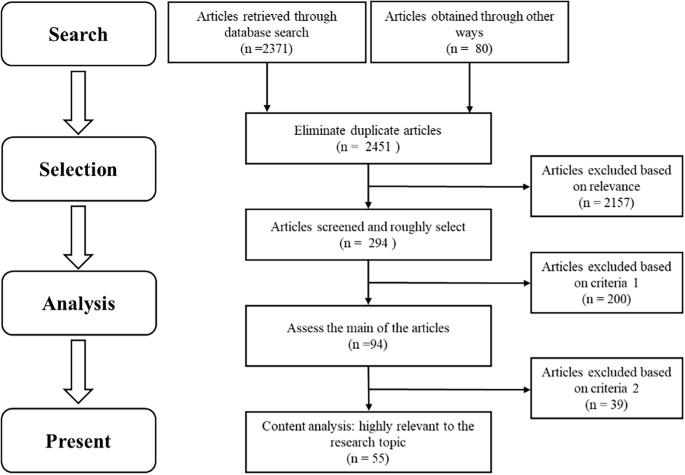
Recent research, which delves into 55 insightful studies, sheds light on the transformative power of intelligent technology in education. These studies highlight how smart learning environments are reshaping traditional educational paradigms, paving the way for personalized and adaptive learning experiences that are as unique as each student.
One of the standout revelations from this research is how AI is becoming an educational game-changer. By analyzing student data in real-time, AI can tailor lessons to fit individual learning paths, ensuring that each student gets the support they need to thrive. Imagine quizzes that adapt instantly to your level of understanding or feedback that guides you precisely on where to focus next!
The Role of IoT and VR in Smart Classrooms
But the wonders of smart education don't stop at AI. The Internet of Things (IoT) is making waves by creating interconnected learning environments. With IoT, classrooms are becoming more interactive and engaging, with smart devices that seamlessly integrate into the learning process, providing real-time data and insights to educators and learners alike.
Virtual Reality (VR), on the other hand, is opening doors to immersive learning experiences that were once unimaginable. Picture exploring the depths of the ocean or the far reaches of space, all from the comfort of your classroom. VR is making the impossible possible, transforming abstract concepts into tangible experiences that students can see, touch, and explore.
"The integration of technologies like AI, IoT, and VR is not just enhancing learning; it's revolutionizing how we perceive education itself," says the study's lead researcher, emphasizing the profound impact of these innovations.
Smart Pedagogy: The Heart of Personalization
At the heart of this technological revolution is smart pedagogy, which focuses on creating learning environments that are adaptive and intuitive. Educators are now equipped with tools that provide insights into each student's progress, enabling them to craft learning experiences that are both effective and engaging.
As we stand on the brink of a new era in education, the potential for intelligent technology to create personalized, student-centric learning environments is truly limitless. The future of education is bright, and it's powered by innovation!
Originally published at https://www.nature.com/articles/s41599-025-05444-0
ResearchWize Editorial Insight
Have you ever wondered how the classroom of tomorrow will look and feel? The article "The Future of Smart Education: A Glimpse Into Tomorrow's Classrooms" is a must-read for students and researchers eager to dive into the exciting wave of educational innovation. This analysis offers a thrilling glimpse into how technology is transforming education, making it more personalized and engaging than ever before!
ResearchWize Analysis: Why This Matters
1. Personalized Learning Journeys: For students, this article shines a light on how AI is revolutionizing the learning experience. With AI, education becomes a personalized journey, where lessons adapt to your needs and feedback is tailored just for you. Imagine a classroom that knows exactly how to help you succeed—how empowering is that?
2. Cutting-edge Classroom Experiences: Researchers will find the exploration of IoT and VR particularly intriguing. These technologies are not just add-ons; they are reshaping how learning environments function. IoT brings classrooms to life with interactive and real-time insights, while VR makes the impossible possible, allowing students to explore worlds beyond their imagination.
3. Smart Pedagogy: At the core of this transformation is smart pedagogy, which equips educators with the tools to create dynamic and engaging learning experiences. For those studying education, this is a game-changer. It’s about crafting environments where every student can thrive, and that’s a win for everyone!
4. A Future of Limitless Potential: Ultimately, this article is an energizing call to action. The future of education is not just a concept; it's here and evolving rapidly. For anyone passionate about learning, technology, and innovation, this is your moment to be part of something truly groundbreaking.
So, gear up! The classrooms of tomorrow are calling, and they’re more vibrant, interactive, and student-centered than ever. Let’s embrace this exciting journey where technology and education unite to unlock limitless potential.
Looking Ahead
What if we could predict not just the challenges students face, but also the opportunities they might excel in? As we look to the future, AI in education holds the promise of a truly proactive learning environment. Imagine AI systems that not only adapt to a student's current understanding but also forecast future learning needs. By analyzing patterns in student data, these systems could suggest new topics or skills to explore, fostering a culture of continuous learning and curiosity.
In the coming years, AI-driven platforms could evolve to become more than just tools; they could act as co-educators. Picture an AI that collaborates with teachers, providing insights on the effectiveness of different teaching strategies. This would empower educators to refine their approaches in real-time, ensuring that teaching methods evolve in tandem with student progress. Such a dynamic interaction between AI and educators could significantly enhance the quality of education delivery.
Furthermore, the integration of AI with other emerging technologies could redefine collaborative learning. AI-powered platforms could facilitate global classrooms, where students from different locations can work together in virtual spaces. These environments would leverage AI to translate languages in real-time, breaking down barriers and fostering a truly inclusive learning experience. This global connectivity would not only broaden students' perspectives but also prepare them for a diverse and interconnected world.
For students with special needs, AI promises a future where accessibility is seamlessly integrated into the learning process. Adaptive technologies could tailor educational content to accommodate various learning disabilities, ensuring that every student has the opportunity to succeed. For example, AI could provide text-to-speech functionalities, customized visual aids, or even personalized learning paces for students who require them, making education truly inclusive.
Finally, as AI continues to evolve, ethical considerations will become increasingly important. Educators and policymakers will need to collaborate closely to ensure that AI systems are transparent, unbiased, and used responsibly. This means establishing guidelines that protect student data and privacy while promoting the equitable use of technology across different socio-economic backgrounds.
In sum, the next chapter of AI in education is about creating an ecosystem that supports lifelong learning, empowers educators, and bridges gaps between diverse learning communities. It's an exciting time to be a part of this evolution, as we envision a world where education is not just a preparation for life but a lifelong journey itself.
Originally reported by https://www.nature.com/articles/s41599-025-05444-0.
Related Articles
- How AI will transform higher education
- AI-Driven Personalized Learning: A Comprehensive Review
- ChatGPT's Hallucination Problem: Study Finds More Than Half Of AI's References Are Fabricated Or Contain Errors In Model GPT-4o
📌 Take the Next Step with ResearchWize
Want to supercharge your studying with AI? Install the ResearchWize browser extension today and unlock powerful tools for summaries, citations, and research organization.
Not sure yet? Learn more about how ResearchWize helps students succeed.