
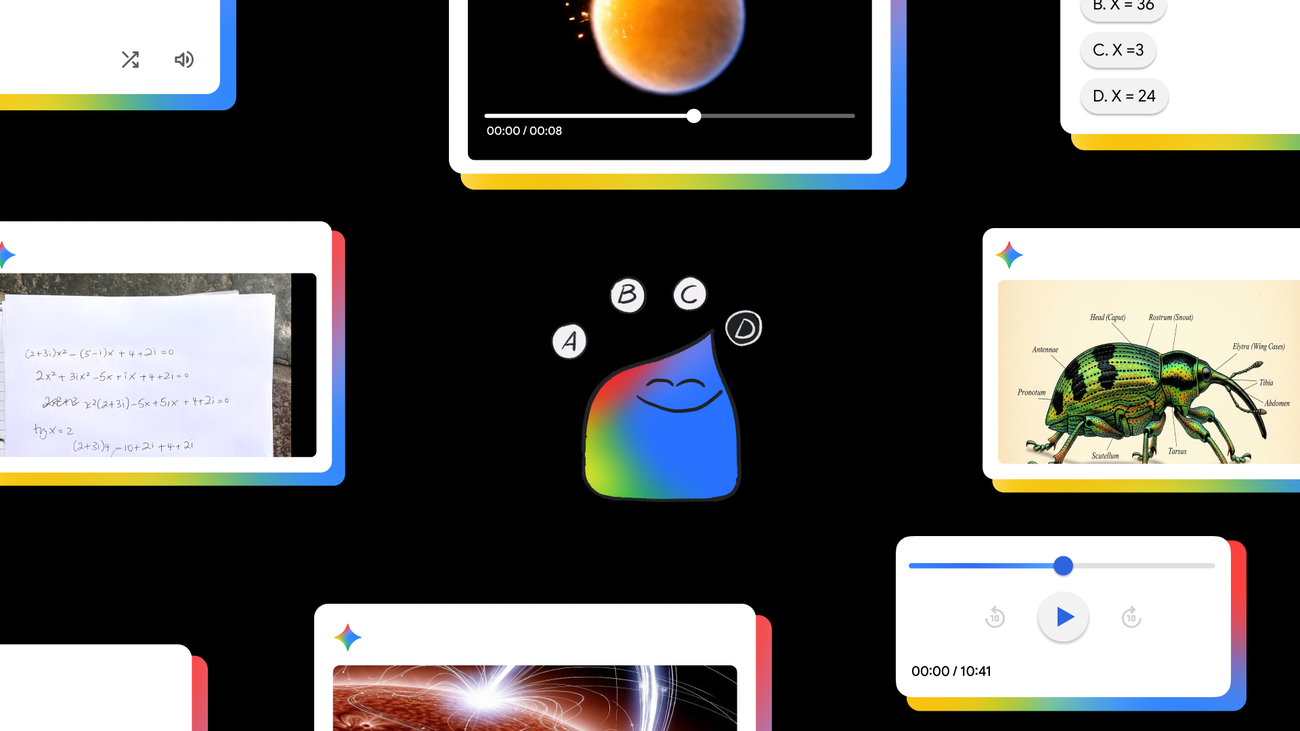
In a bold move to integrate artificial intelligence into the educational landscape, Google has unveiled a plan to provide students in the United States with a complimentary one-year subscription to its AI Pro plan. This initiative, aimed at enhancing educational outcomes, comes at a time when AI's role in academia is both celebrated and scrutinized.
Empowering Students with AI Tools
The AI Pro plan is designed to equip students with advanced AI tools that promise to revolutionize learning experiences. By offering this plan for free, Google aims to democratize access to cutting-edge technology, allowing students to harness AI for research, problem-solving, and creative projects. The initiative aligns with broader educational trends that emphasize technology integration as a means to prepare students for a rapidly evolving job market.
Concerns Over Academic Integrity and Oversight
While the introduction of AI into classrooms is seen as a progressive step, it also raises significant concerns regarding academic integrity and regulatory oversight. The potential for AI to facilitate plagiarism or provide unauthorized assistance on assignments is a pressing issue that educational institutions must address. Without clear guidelines and robust oversight mechanisms, schools may find themselves grappling with ethical dilemmas and unforeseen liabilities.
“The move to provide free AI tools to students is commendable, but it must be accompanied by stringent policies to ensure these tools are used ethically and responsibly,” said Dr. Emily Carter, an education policy analyst.
Broader Societal Impacts
Beyond the classroom, the widespread availability of AI tools could have far-reaching societal impacts. As students become more adept at using AI, the technology's influence on various sectors, including the workforce, could be profound. This shift necessitates a reevaluation of current educational curricula to include AI literacy as a fundamental component.
Moreover, the initiative could exacerbate existing inequalities if not implemented with care. Students from under-resourced schools may lack the necessary infrastructure to fully benefit from the AI Pro plan, potentially widening the digital divide. It is imperative that stakeholders consider these disparities and work towards inclusive solutions.
As Google rolls out this ambitious plan, the education sector stands at a crossroads. The integration of AI into learning environments presents both opportunities and challenges, and the path forward must be navigated with caution and foresight.
Originally published at https://blog.google/products-and-platforms/products/gemini/new-gemini-tools-students-august-2025/
ResearchWize Editorial Insight
Ladies and gentlemen, esteemed educators,
Today, we stand on the brink of a technological revolution in education. Google's initiative to offer U.S. students a free one-year subscription to its AI Pro plan is a game-changer. This move promises to democratize access to advanced AI tools, potentially transforming the way students learn, research, and solve problems.
However, with great power comes great responsibility. While this initiative could prepare students for a tech-driven job market, it also raises critical questions about academic integrity. How do we ensure that AI tools are used ethically? What measures will schools need to implement to prevent misuse and uphold academic standards?
Moreover, the societal implications are vast. As students become proficient in AI, the ripple effects on various sectors could reshape the workforce. Are our current curricula equipped to handle this shift? Should AI literacy become a foundational element in education to prepare students for the future?
Yet, we must tread carefully. The risk of widening the digital divide is real. Students in under-resourced schools may not have the infrastructure to fully benefit from Google's offering. How do we ensure equitable access to these tools?
As educators, you are at the forefront of this transformation. The decisions made today will echo into the future, shaping not just the educational landscape but society at large. Let us navigate this path with caution, foresight, and a commitment to inclusivity.
Thank you.
Looking Ahead
Ladies and gentlemen, fellow educators, and policymakers, as we stand on the brink of an AI-driven educational revolution, it's time to cast our gaze forward. The integration of AI into our classrooms is not just a trend—it's a seismic shift. But what does this mean for the future of education, and how can we ensure that it serves all students equitably and effectively?
1. Curriculum Overhaul: Adapt or Perish
Our current curriculum must evolve, and fast. AI literacy should not be a peripheral subject but a core component of education. Are we prepared to redesign our curricula to prioritize skills like AI ethics, machine learning basics, and data privacy? If not, we risk leaving our students woefully unprepared for the future workforce.
2. Teacher Training: The New Frontier
Teachers need to be at the forefront of this change. Are we investing enough in teacher training programs that equip educators with the skills to integrate AI into their teaching methodologies? A teacher who understands AI's capabilities and limitations can guide students through its ethical complexities, ensuring responsible usage.
3. Ethical Frameworks: Beyond Guidelines
Ethical AI usage in education cannot be an afterthought. We must establish robust ethical frameworks that go beyond mere guidelines. How will we prevent AI from becoming a tool for cheating or bias? It's imperative that we develop clear policies and invest in technology that can detect and deter misuse.
4. Infrastructure and Equity: Closing the Gap
The digital divide is real and growing. How do we ensure that all students, regardless of their socio-economic background, have equal access to AI tools? This initiative must be accompanied by investments in infrastructure, such as reliable internet access and hardware for under-resourced schools.
5. Collaborative Governance: A Multi-Stakeholder Approach
6. Real-World Implications: Preparing for Tomorrow's Challenges
As AI becomes ubiquitous, its societal impacts will be profound. Are we equipping students with the critical thinking skills to navigate a world where AI influences everything from job markets to privacy norms? This is not just about teaching AI—it's about preparing students to live in an AI-enhanced world.
In conclusion, the path ahead is fraught with challenges and opportunities. The decisions we make today will shape the educational landscape for generations. Let us proceed with caution, foresight, and a commitment to equity and ethics. The future of education is not just about adopting AI—it's about transforming our systems to harness its full potential for the benefit of all students. Thank you.
Originally reported by https://blog.google/products-and-platforms/products/gemini/new-gemini-tools-students-august-2025/.
Related Articles
- How AI Is Changing Foreign Language College Classes
- Will AI change schools? Yes and no.
- GPTZero Growth Lead says education exposed the AI trust gap first
📌 Take the Next Step with ResearchWize
Want to supercharge your studying with AI? Install the ResearchWize browser extension today and unlock powerful tools for summaries, citations, and research organization.
Not sure yet? Learn more about how ResearchWize helps students succeed.